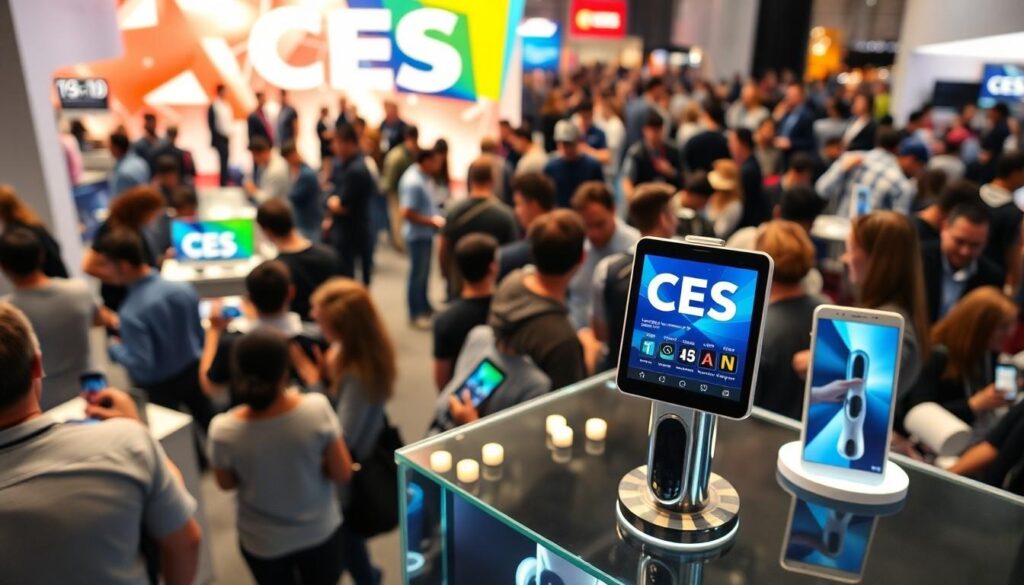
The Consumer Electronics Show, known for showcasing the latest and greatest in tech, just made headlines for a rather unexpected reason—a sex toy. Yes, you read that right! This isn’t your typical gadget; it’s a bold invention that pushes boundaries and challenges conventions. But instead of celebrating innovation, the CES has decided to hit the brakes, leaving many scratching their heads and raising eyebrows.
While tech enthusiasts eagerly anticipate groundbreaking devices, this ban raises questions about what qualifies as “acceptable” in the world of consumer electronics. Is the future of tech really so serious that we can’t have a little fun? As society evolves, so do our conversations around intimacy and technology. Buckle up for a deep dive into the controversy, the creators, and what this means for the future of adult products in the tech space.
Overview of The Consumer Electronics Show
The Consumer Electronics Show (CES) stands as one of the premier technology events globally. Annually, CES attracts thousands of exhibitors and attendees who gather to unveil and discover cutting-edge innovations. This event traditionally features a range of products, including smart home devices, wearables, and automotive technology.
Each year, major brands showcase their latest offerings, generating excitement and discussions within the tech community. Startups also take the spotlight, presenting groundbreaking ideas that could shape the future landscape of consumer electronics. Attendees witness live demonstrations, enabling them to experience the functionality and potential of new products up close.
Many discussions often focus on the integration of technology and daily life, reflecting changing consumer preferences and lifestyles. CES serves as a launchpad for trends that will define the market in upcoming years, influencing both manufacturers and consumers.
Moreover, the decision to ban certain products, such as the sex toy in question, highlights ongoing debates about inclusivity and the boundaries of innovation. Conversations at CES encompass not only gadgets but also societal implications, particularly relating to intimacy and personal expression. This year’s ban has opened up dialogues about what products fit within the framework of consumer electronics.
Overall, CES continues to be a vital platform for showcasing advancements while also navigating the complexities of modern technology’s role in society. Attendees leave with not just a glimpse of future innovations but also insights into the evolving ethical considerations in the tech industry.
The Controversial Ban

The recent ban on a sex toy at the Consumer Electronics Show (CES) has ignited widespread discussions. This decision raises questions about the boundaries of innovation within the consumer electronics sector.
Details of the Sex Toy Invention
The innovative sex toy, designed by a tech entrepreneur, integrates advanced technology to enhance intimate experiences. Features such as app connectivity and customizable settings were aimed at personalizing the user’s experience. The invention leverages smart technology to respond to user preferences and create a unique interaction. Notably, the product’s development stemmed from a desire to merge intimacy with cutting-edge technology. This combination of features positioned the sex toy as a prominent contestant in redefining adult products in the tech space.
Reasoning Behind the Ban
CES organizers pointed to concerns about appropriateness in the context of the event’s family-friendly image. They articulated that certain products do not align with the overall mission of showcasing consumer-focused technology. Critics argue that this decision highlights the ongoing stigma surrounding sexuality and wellness products. Many stakeholders in the industry express frustration over the exclusion, emphasizing the need for open conversations about intimacy and technology. The ban raises significant questions about what constitutes innovation and inclusivity within a rapidly evolving market.
Reactions from the Industry
The ban on the sex toy at CES ignited varied reactions across the tech and sex-positive communities.
Support from Sex Positive Communities
Advocates within sex-positive communities expressed strong support for the innovative product. Many see the integration of technology with intimacy as a vital step toward normalization. They argue that acceptance of such products reflects societal progress. Supporters emphasize that excluding these items only perpetuates stigma surrounding sexuality. Various organizations reiterated the importance of open discussions about sexual wellness and technology. They highlight the need for spaces that celebrate body positivity and sexual health.
Criticism from Technology Advocates
Critics from technology advocacy groups voiced concerns over the limitations imposed by CES. They believe the ban stifles innovation and undermines the spirit of creativity that events like CES should promote. Many industry professionals argue that disregarding adult products limits potential advancements in health and wellness technologies. Significant discussions arose about the disconnect between conventional tech and evolving consumer needs. Participants in the debate stress that filtering out such innovations sends a negative message about inclusivity and diversity in the tech space.
Implications for Future Exhibitions
The recent ban on the innovative sex toy at CES raises questions about the future of adult products in technology exhibitions. Decision-makers must address the evolving perceptions of intimacy and technology. Excluding such products may limit innovation in health and wellness sectors, which have seen significant advancements in recent years.
Organizers at CES cite concerns over appropriateness, suggesting a need to maintain a family-friendly image. These concerns could result in more rigid product categories in future events. Stakeholders in the tech industry highlight the necessity for open dialogues surrounding sexual wellness. Inclusivity in product showcases may create pathways for significant technological impacts not previously considered.
Supporters of sex-positive products argue that their inclusion at major tech events promotes normalization and interest in intimate technologies. Companies developing such products can encourage greater consumer engagement and acceptance. Innovative integrations within the industry reflect shifting societal values and could drive conversations about the intersection of technology and personal experiences.
Responses from critics express frustration over potential stagnation in creative exploration. They believe that enforcing strict boundaries on what constitutes consumer technology can stifle future innovations. The debate ultimately hints at the broader conversation about societal attitudes toward sexuality, highlighting discrepancies between consumer expectations and industry practices. Promoting a diverse range of products may enhance the overall credibility and relevance of tech exhibitions moving forward.
The ban on the innovative sex toy at CES has ignited a critical dialogue about the intersection of technology and intimacy. As the tech landscape evolves, so too must the conversations surrounding inclusivity and acceptance of diverse products. The reactions from industry stakeholders underscore a growing recognition of the importance of sexual wellness in the broader tech narrative.
Moving forward, it’s essential for events like CES to consider the implications of excluding adult products. Embracing a wider range of innovations could foster creativity and reflect changing societal attitudes. By encouraging open discussions about sexuality and technology, CES can enhance its relevance and credibility in an ever-evolving market. The future of consumer electronics may depend on how well it adapts to these emerging conversations.